
How Many Free Credit Reports Can I Get? The 2026 Guide.

How Many Free Credit Reports Can I Get?
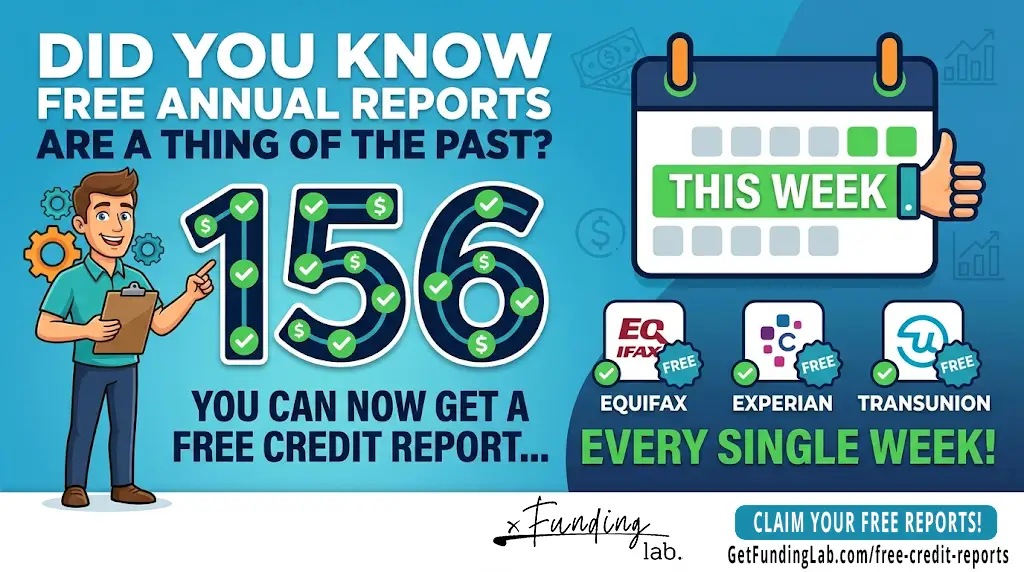
You can get a free credit report from Equifax, Experian, and TransUnion once every week. While federal law officially mandates one free report every twelve months, the three major bureaus permanently expanded access to weekly reports via AnnualCreditReport.com starting in late 2023. 1
Your Report is Your Financial Passport
Most people focus solely on the three-digit score. However, at The Funding Lab, we know the data behind that number matters more. Your credit report acts as your financial resume for mortgage lenders. Consequently, an error on page five can stop a home loan faster than a low score. Many borrowers wait until they are in the middle of a house hunt to look. Therefore, they face delays when they discover identity theft or outdated accounts. Specifically, you need to see what the banks see before you apply. This guide ensures you walk into the mortgage process with total confidence.
The Lab Data Breakdown: The Velocity of Payoff
One of the best ways to improve your report is understanding the Roll-over Effect. This occurs when you “snowball” payments. Once one debt vanishes, you apply that full payment to the next.
| Debt Type | Balance | Min. Payment | Payoff Goal | Months to Zero |
| Credit Card A | $2,000 | $60 | Pay Min. Only | 48+ |
| Credit Card B | $1,500 | $45 | Roll-over Strategy | 14 |
| Auto Loan | $12,000 | $350 | Future Target | 36 |
Solution Sam’s Perspective
In my experience, people treat credit like a math problem. Actually, credit is a behavior problem. Specifically, the minimum payment rule is a trap designed to keep you in debt for decades. Lenders want to see that you manage credit, not that you are a slave to it.
Before you even worry about your score, you must have an emergency fund. This is your prerequisite. Without a cash cushion, one flat tire ends up back on a high-interest credit card. Consequently, your report shows a spike in Credit Utilization.
Solution Sam Pro-Tip
Never “close” an old credit card account just because you paid it off. Doing so reduces your “Credit Age” and can actually drop your score. Just hide the card in a drawer!
Terms to Know
- Credit Utilization: The percentage of your total available credit that you are currently using.
- Hard Inquiry: A credit check by a lender that may slightly lower your score.
- Soft Inquiry: A personal credit check that does not affect your score.
Will Checking My Credit Report Lower My Score?
No, checking your own report will not lower your score. This action is a “soft inquiry.” Only “hard inquiries” from lenders during a formal application process affect your points. Therefore, you should check your own data weekly to ensure accuracy.
What is the Difference Between a Credit Report and a Credit Score?
A credit report is a detailed history of your financial behavior. In contrast, a credit score is a three-digit mathematical summary of that data. Think of the report as your semester-long coursework and the score as your final grade.
What Information Do I Need to Have Ready to Request My Report?
You need your full name, Social Security number, and date of birth. Additionally, you must provide your current address and any previous addresses from the last two years. The system will also ask “out of wallet” questions to verify your identity.
How to Lower Your Utilization: A Step-by-Step Guide
- Gather Documents
Have your SSN and previous addresses ready.
- Access the Portal
Visit AnnualCreditReport.com directly.
- Verify Identity
Answer security questions regarding past loans or vehicles.
- Download PDF
Save your reports immediately for your records.
- Audit Details
Check for accounts or inquiries you do not recognize.
Frequently Asked Questions (FAQ)
Not every creditor reports to all three bureaus. For example, a local credit union might only send data to TransUnion. Consequently, your history may vary slightly between Equifax, Experian, and TransUnion. 2
You must file a formal dispute with the specific bureau reporting the error. Use their online portal to upload evidence. Specifically, provide proof that the debt is paid or was never yours.
Yes, because identity theft can hide behind a high score. A thief might open a small account that doesn’t tank your score immediately. However, it could cause massive legal headaches later.
Most negative items stay for seven years. Specifically, this includes late payments and foreclosures. However, Chapter 7 bankruptcies can remain for ten years.
Learn More
To master your finances, you should also understand Debt-to-Income Ratios, Escrow Accounts, and Amortization Schedules. These factors impact your ability to get a mortgage as much as your credit report does.
Have additional questions about credit? Reach out! Through our strategic partnerships we can connect you with the perfect credit team!